Slow Creep
Project 78 Gallery
St Leonards-on-Sea
14 September – 12 October 2024


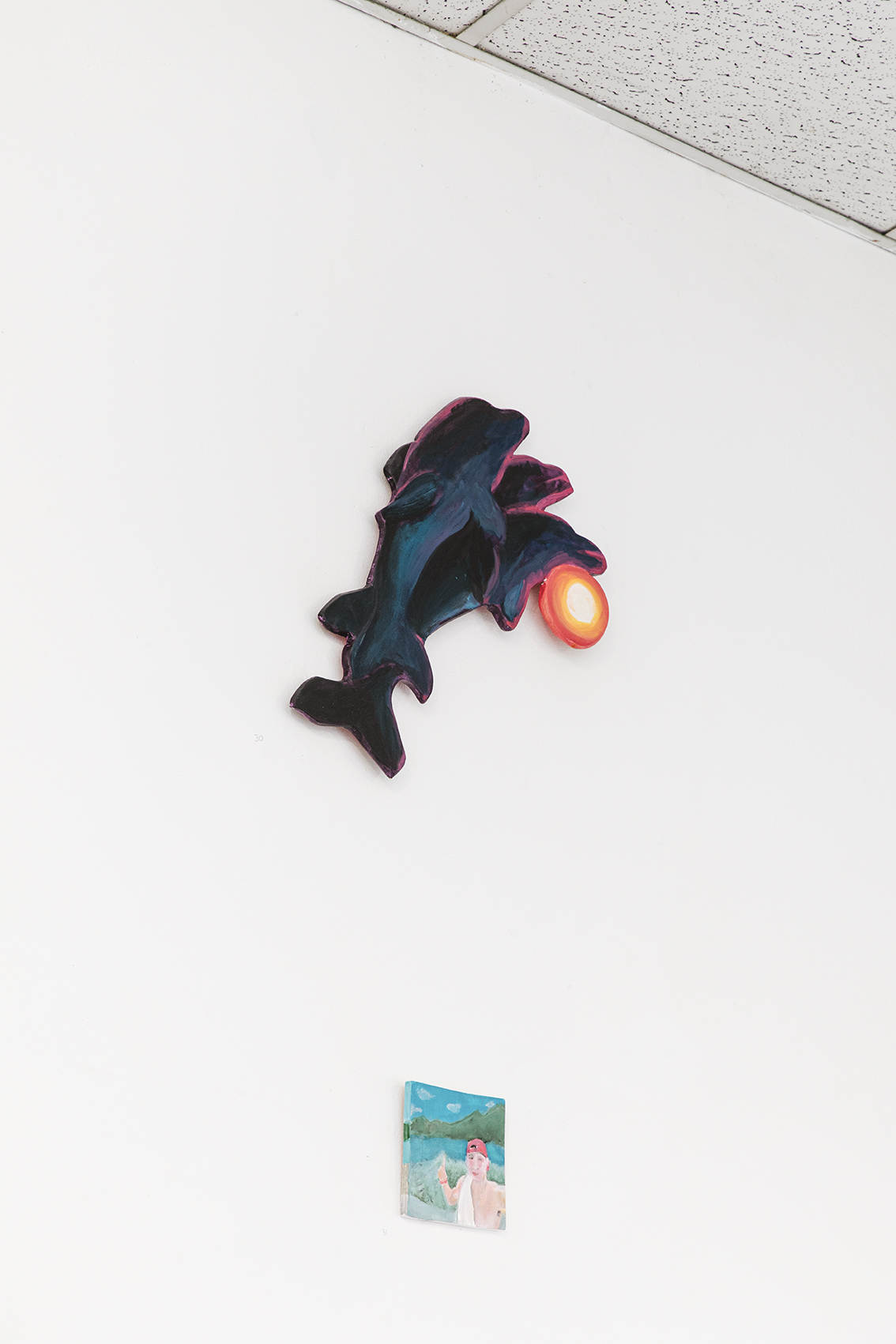
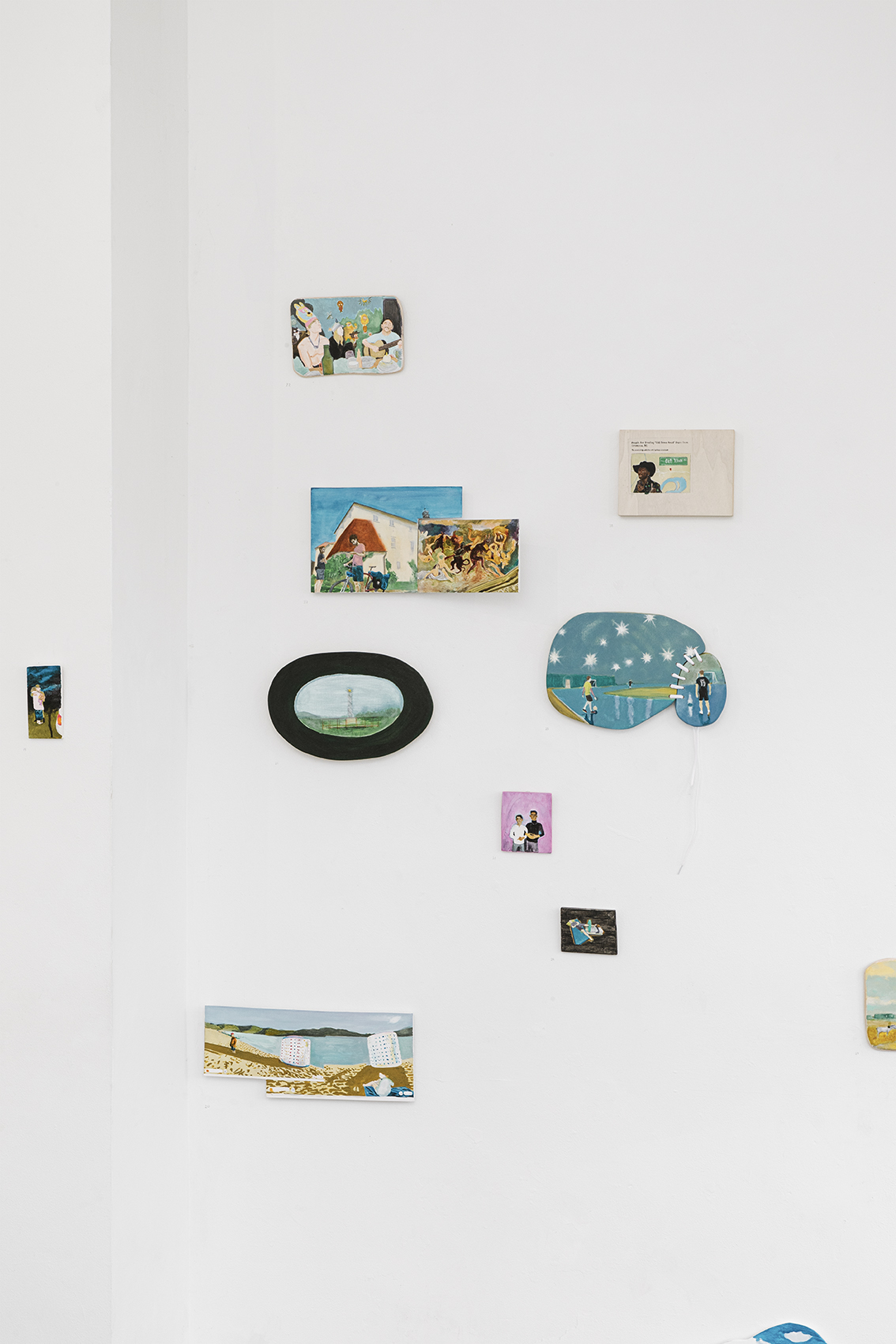

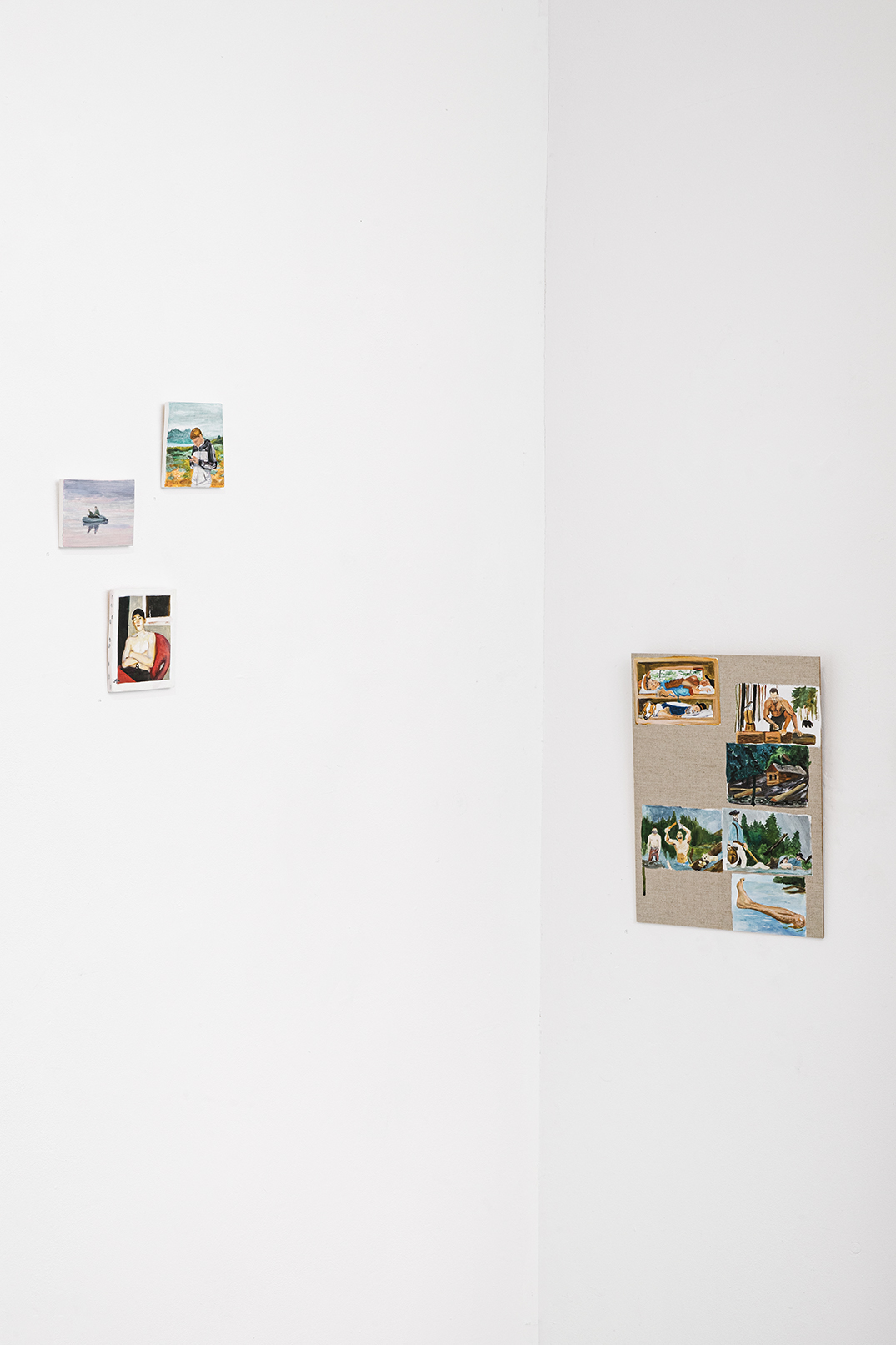


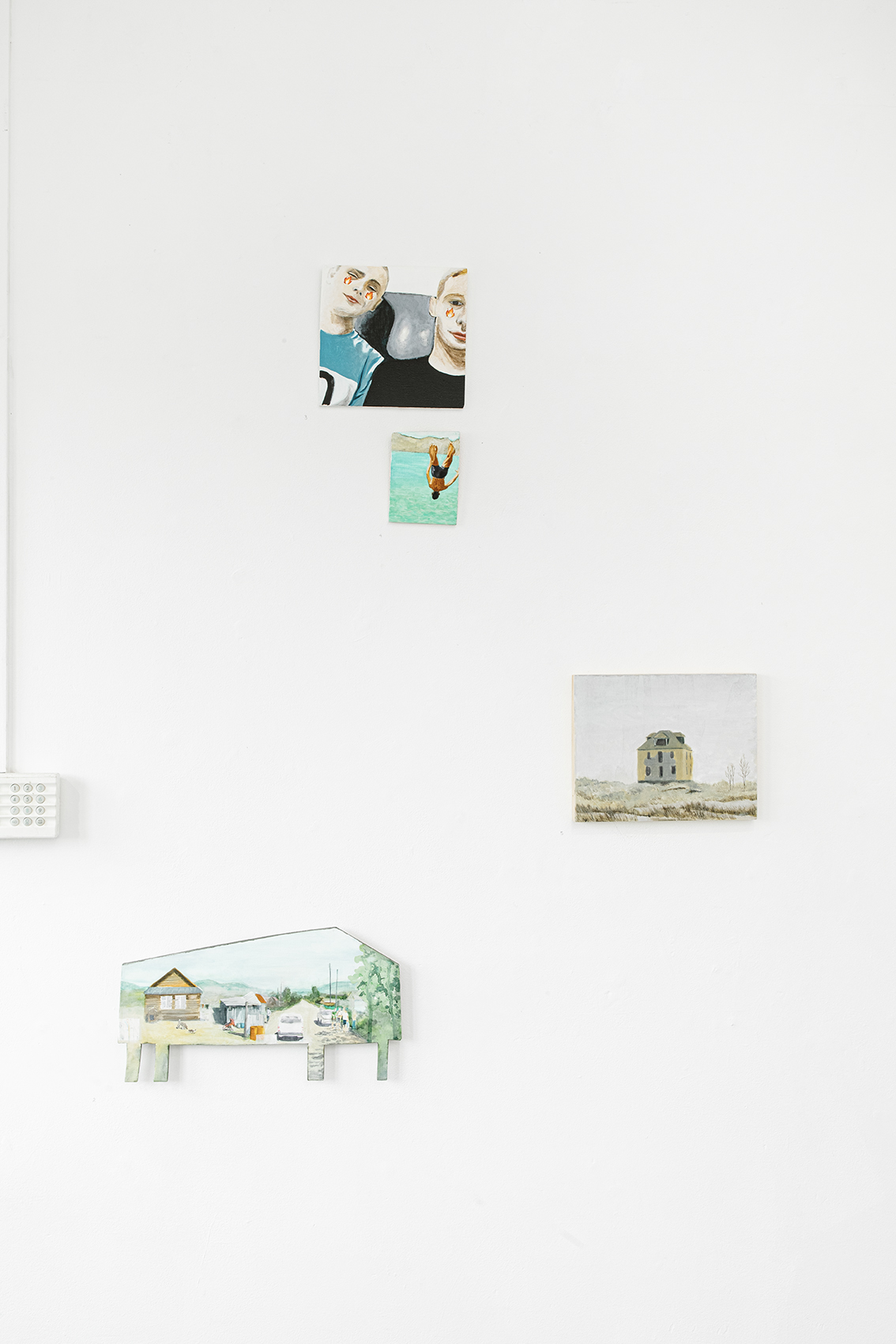
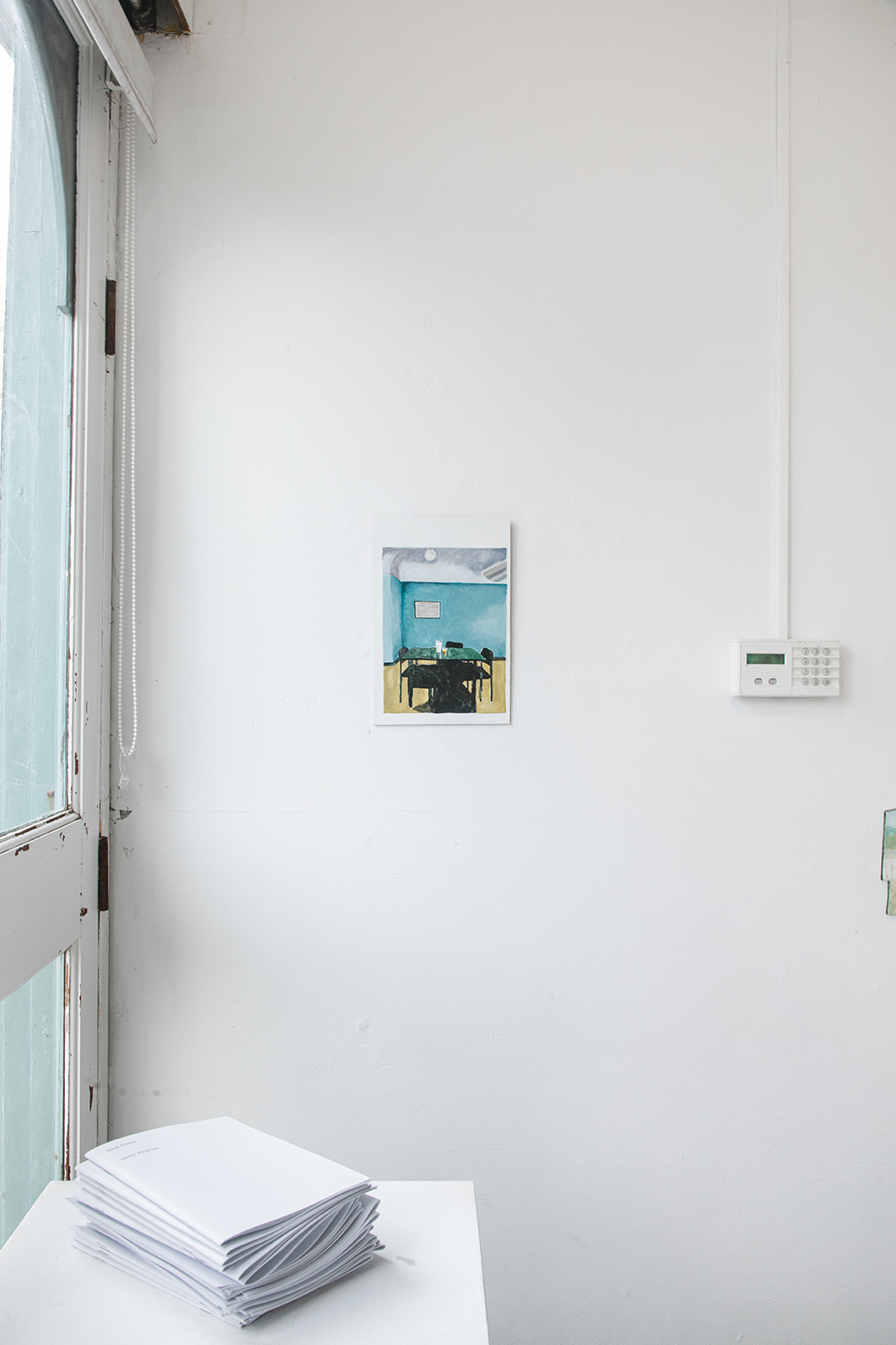





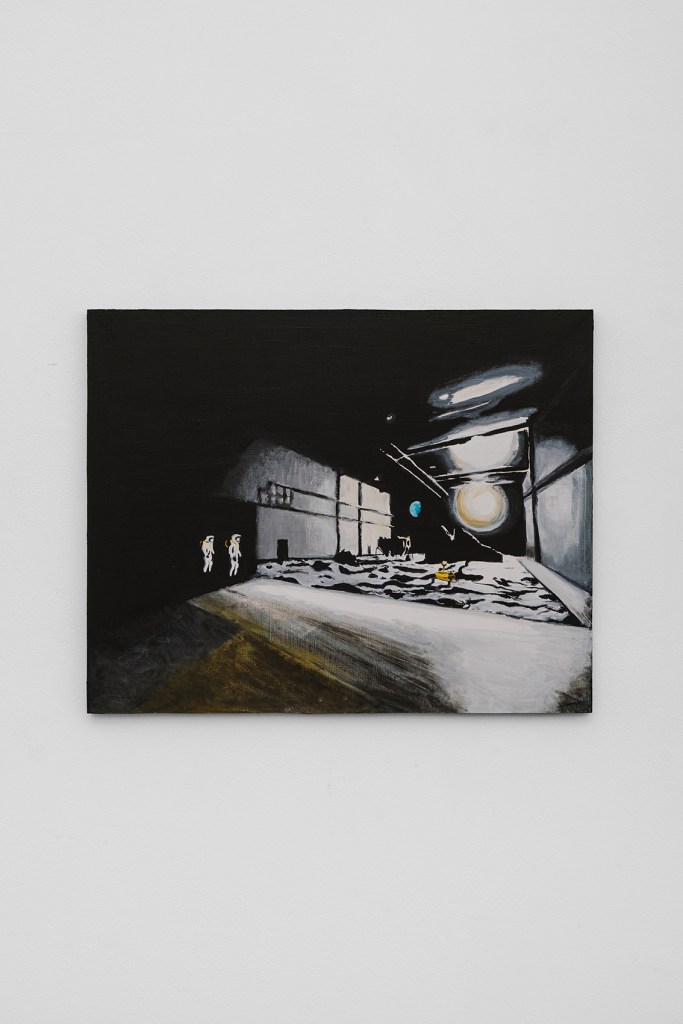

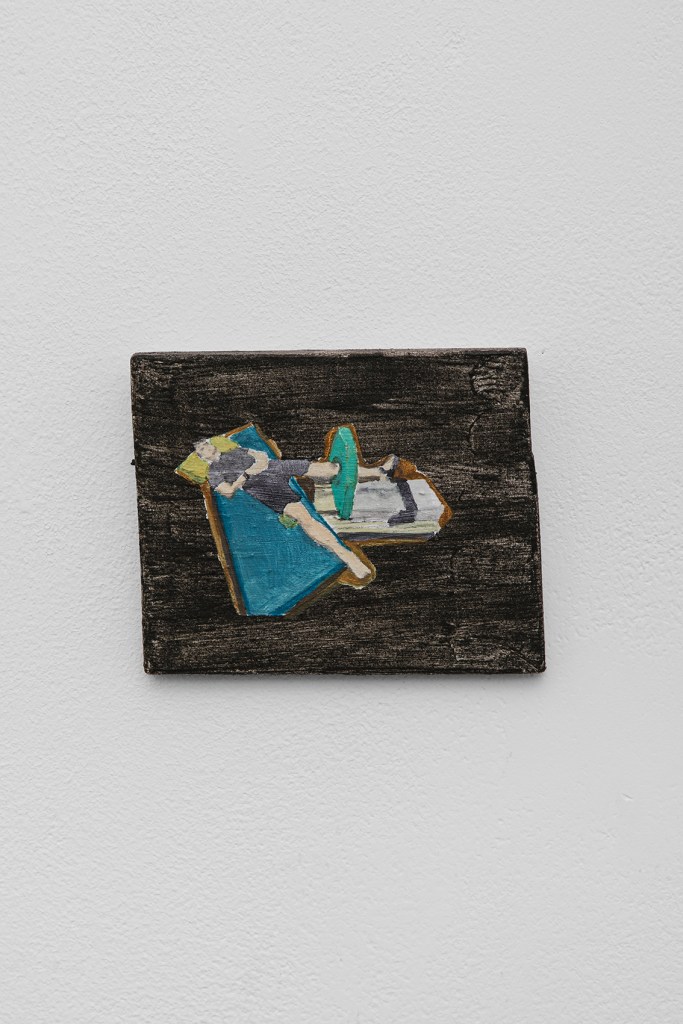
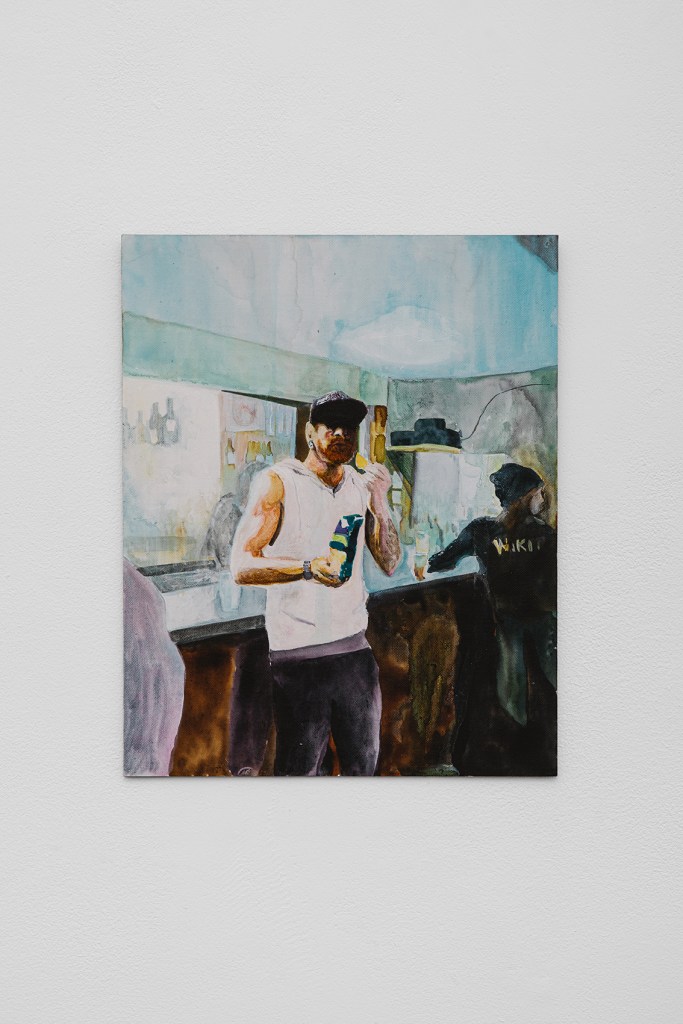


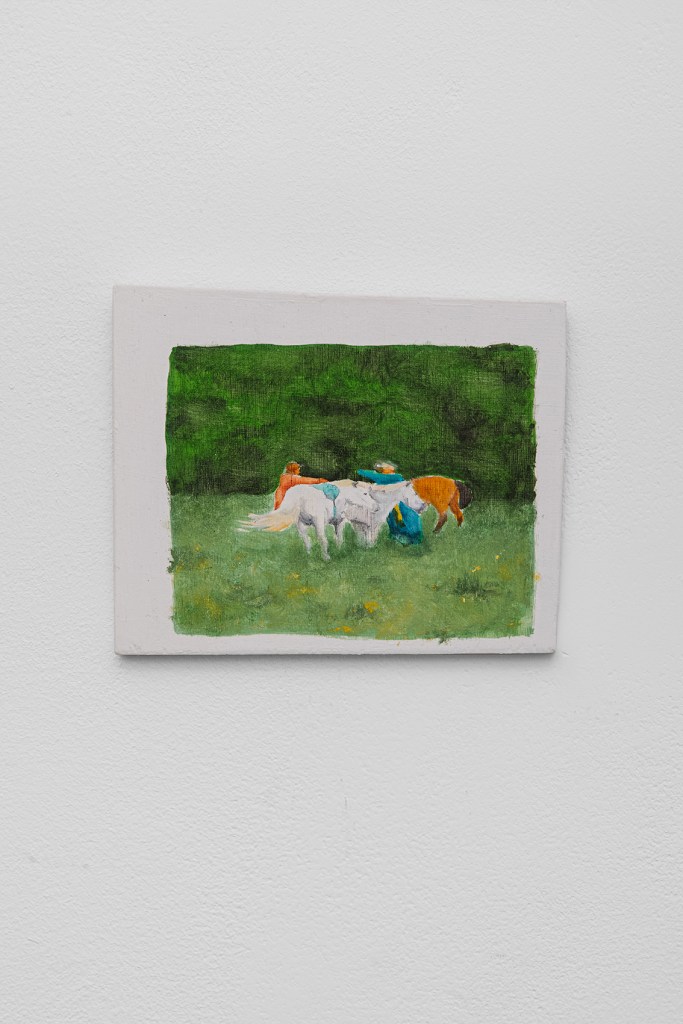

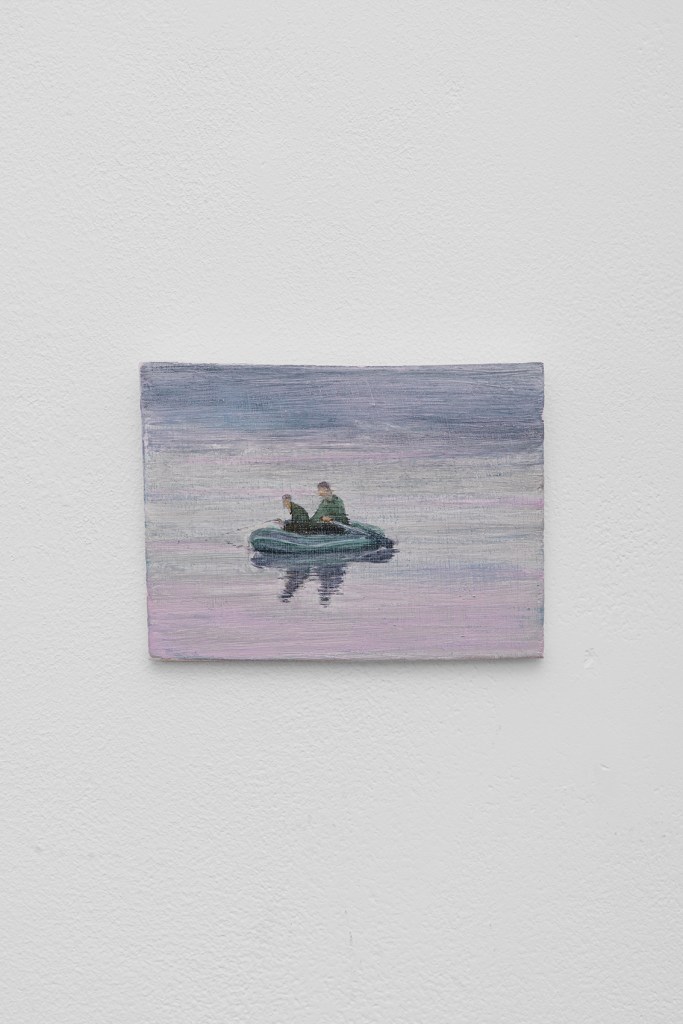
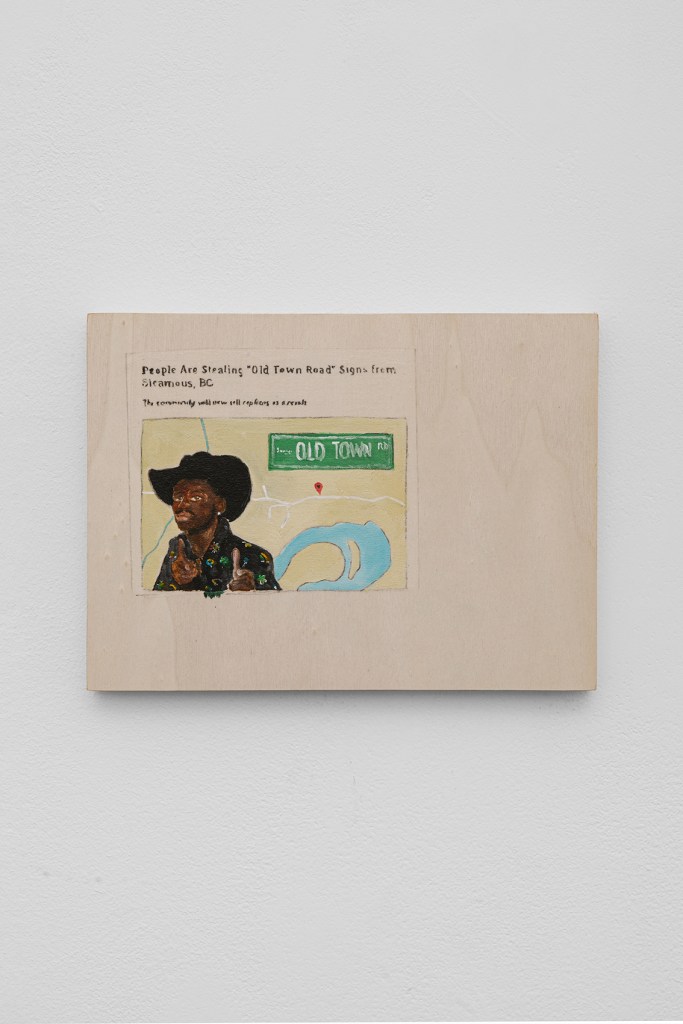

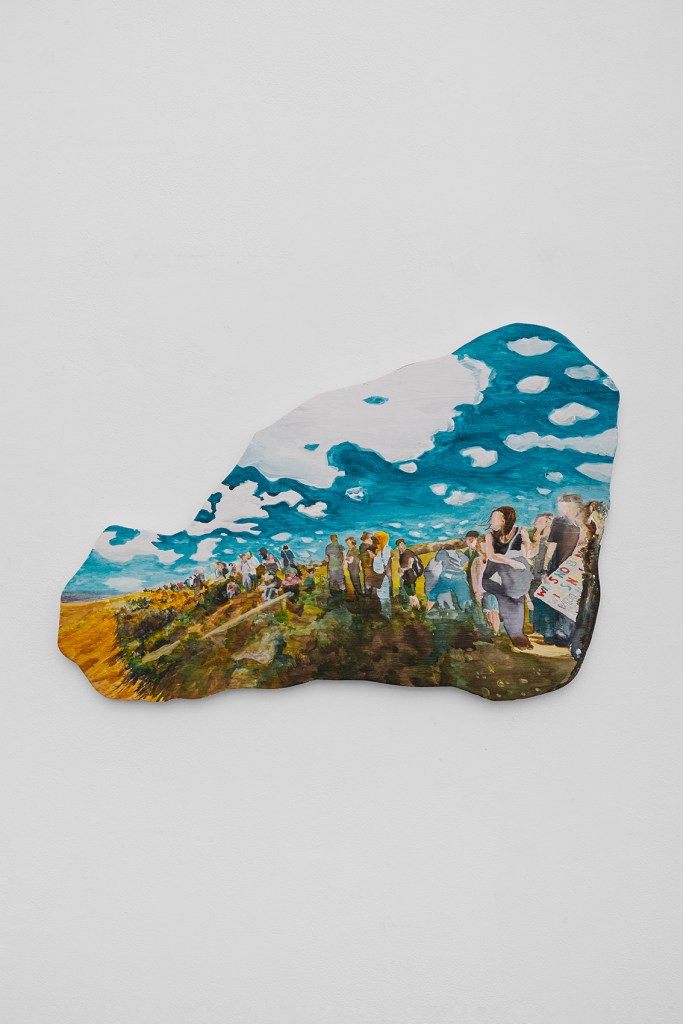
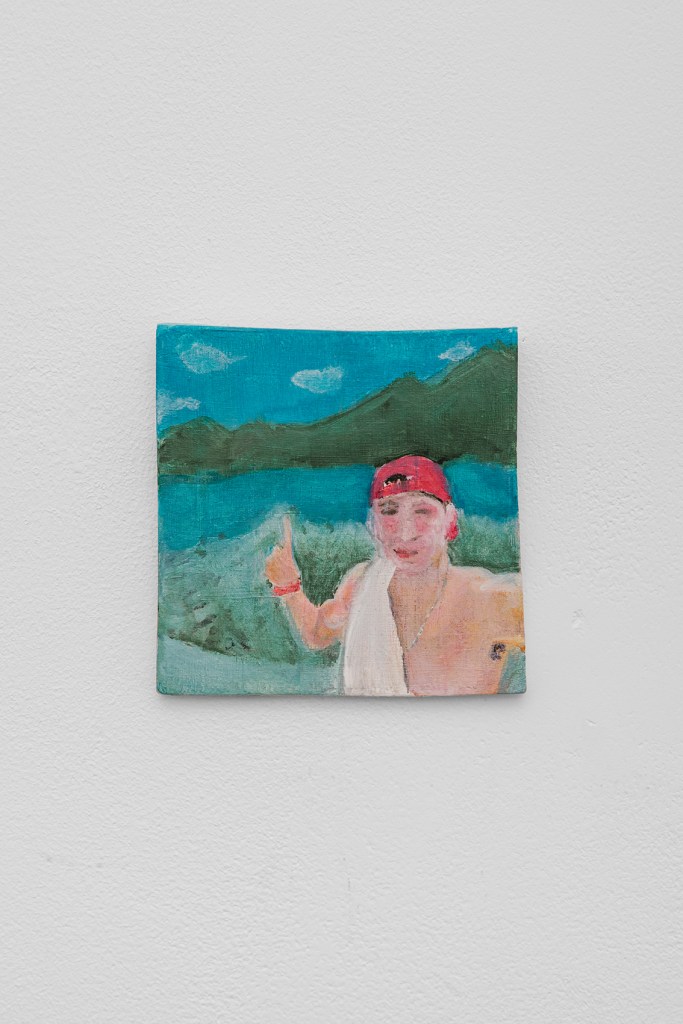

“We are here on the planet only once, and might as well get a feel for the place. We might as well get a feel for the fringes and hollows in which life is lived…”
—Annie Dillard, Teaching a Stone to Talk
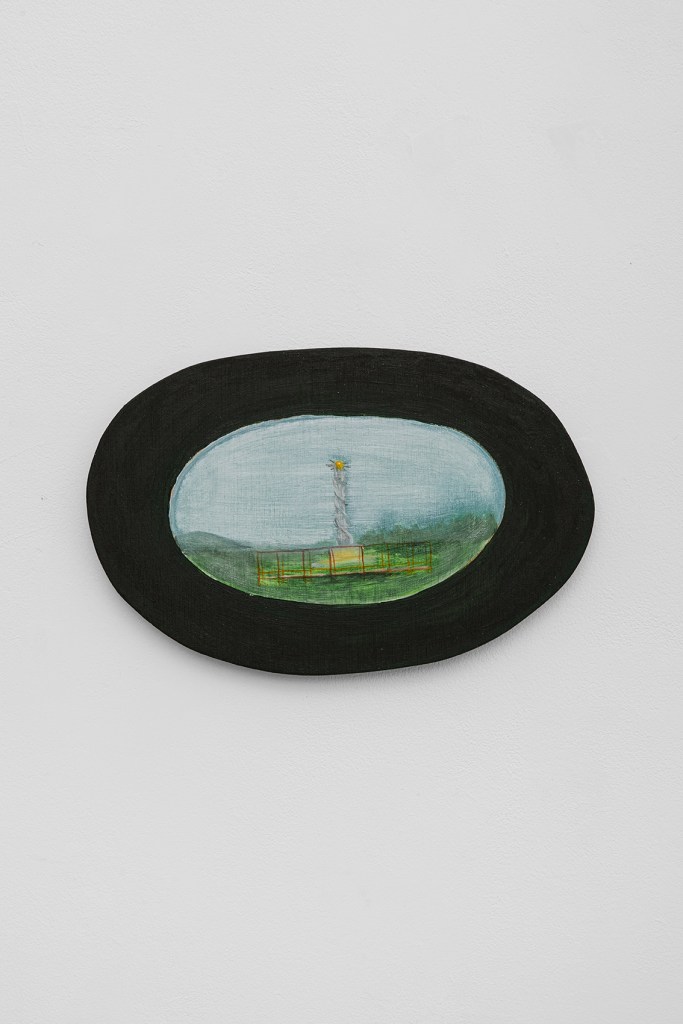
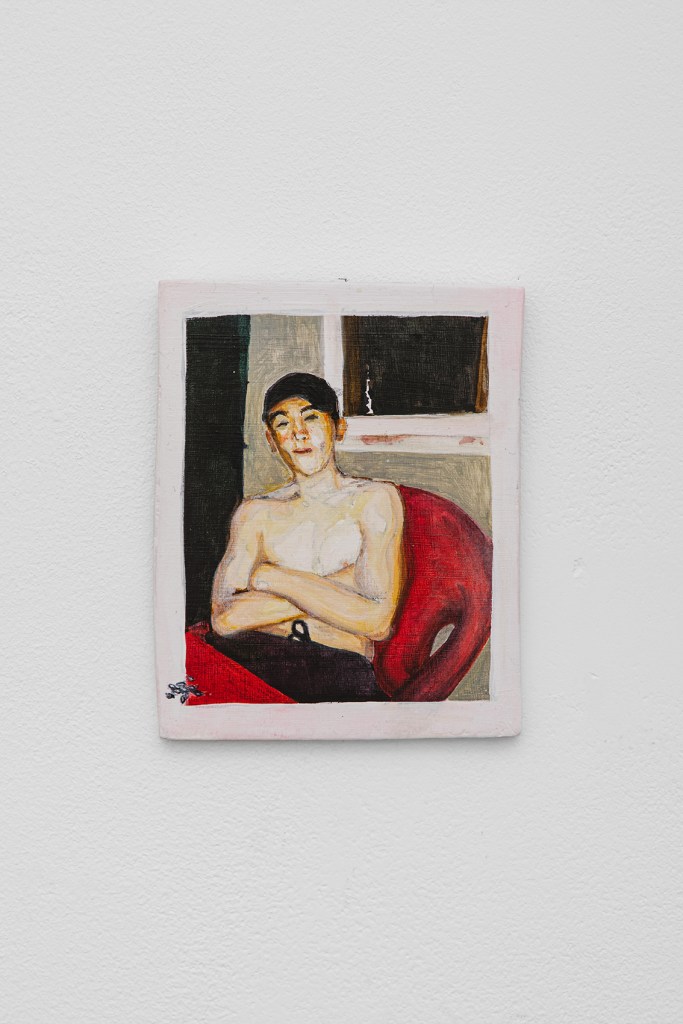
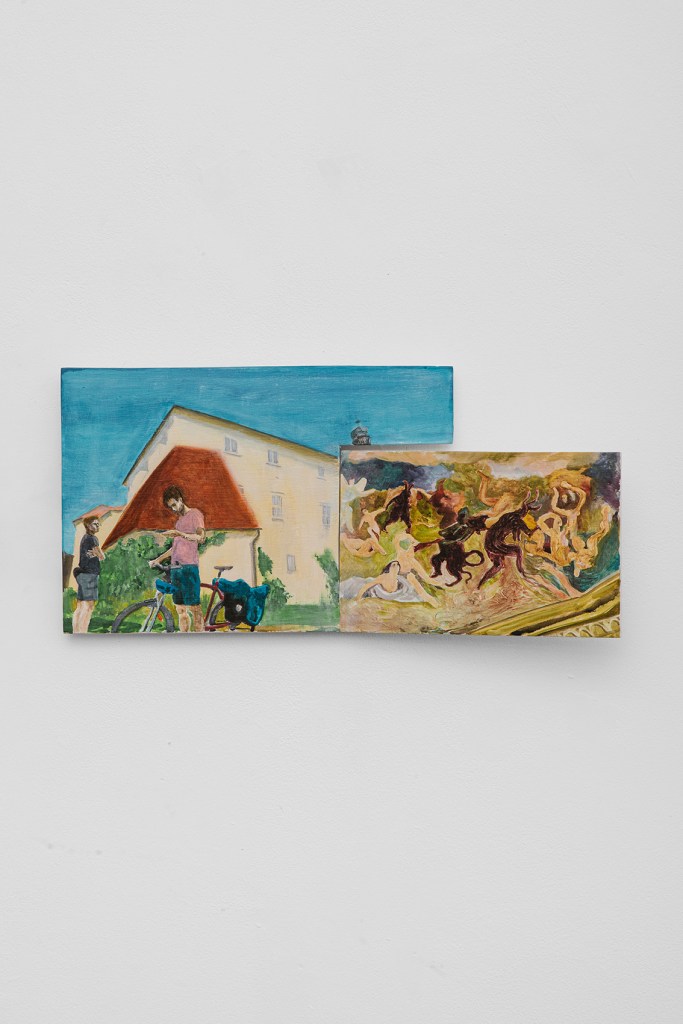
Slow Creep invites visitors to Project78 Gallery to consider places and people that coexist on their exact northern latitude and the ways in which scale, distance, politics, constructed geographies and a sense of ‘the foreign’ inform relational perspectives.
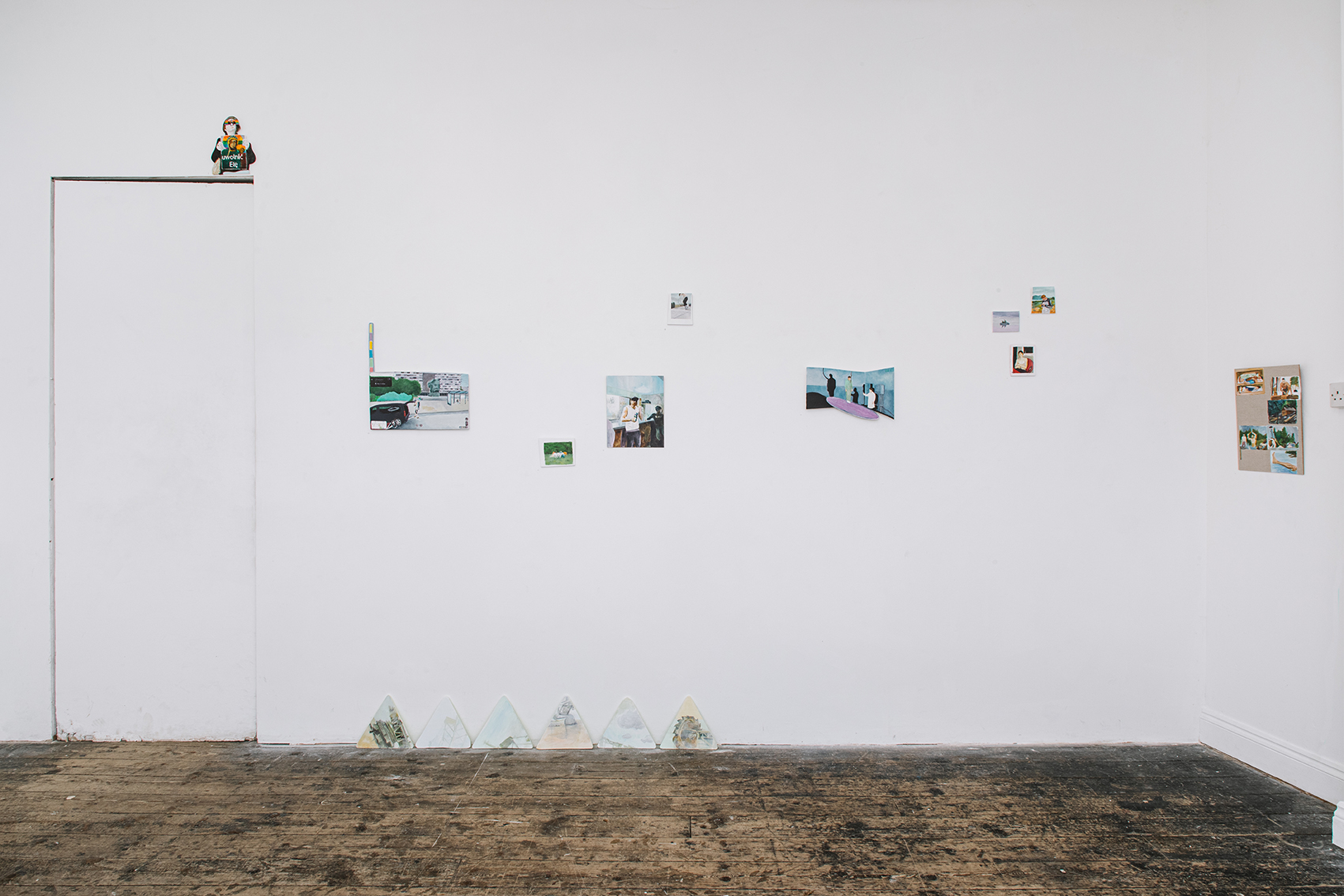
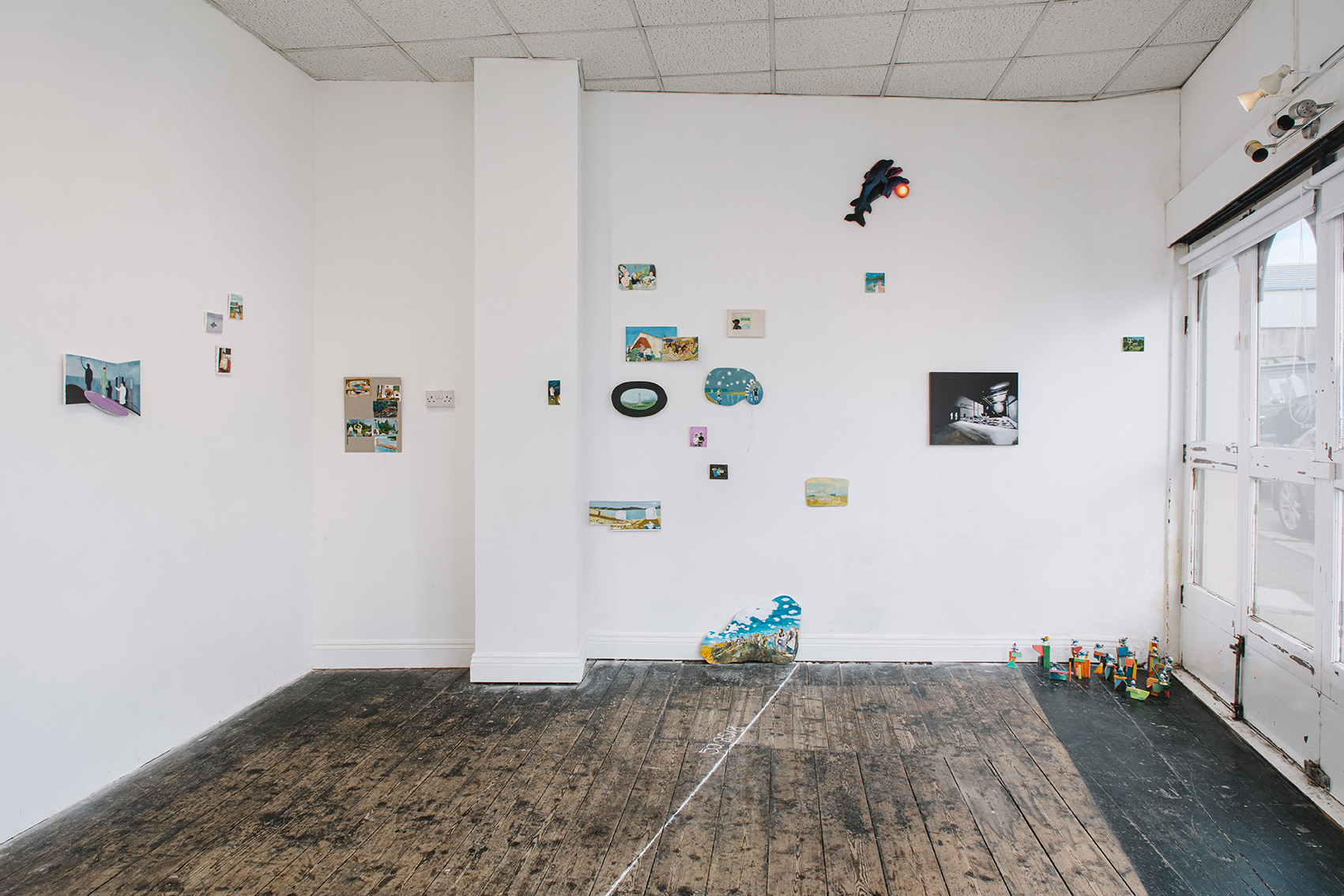
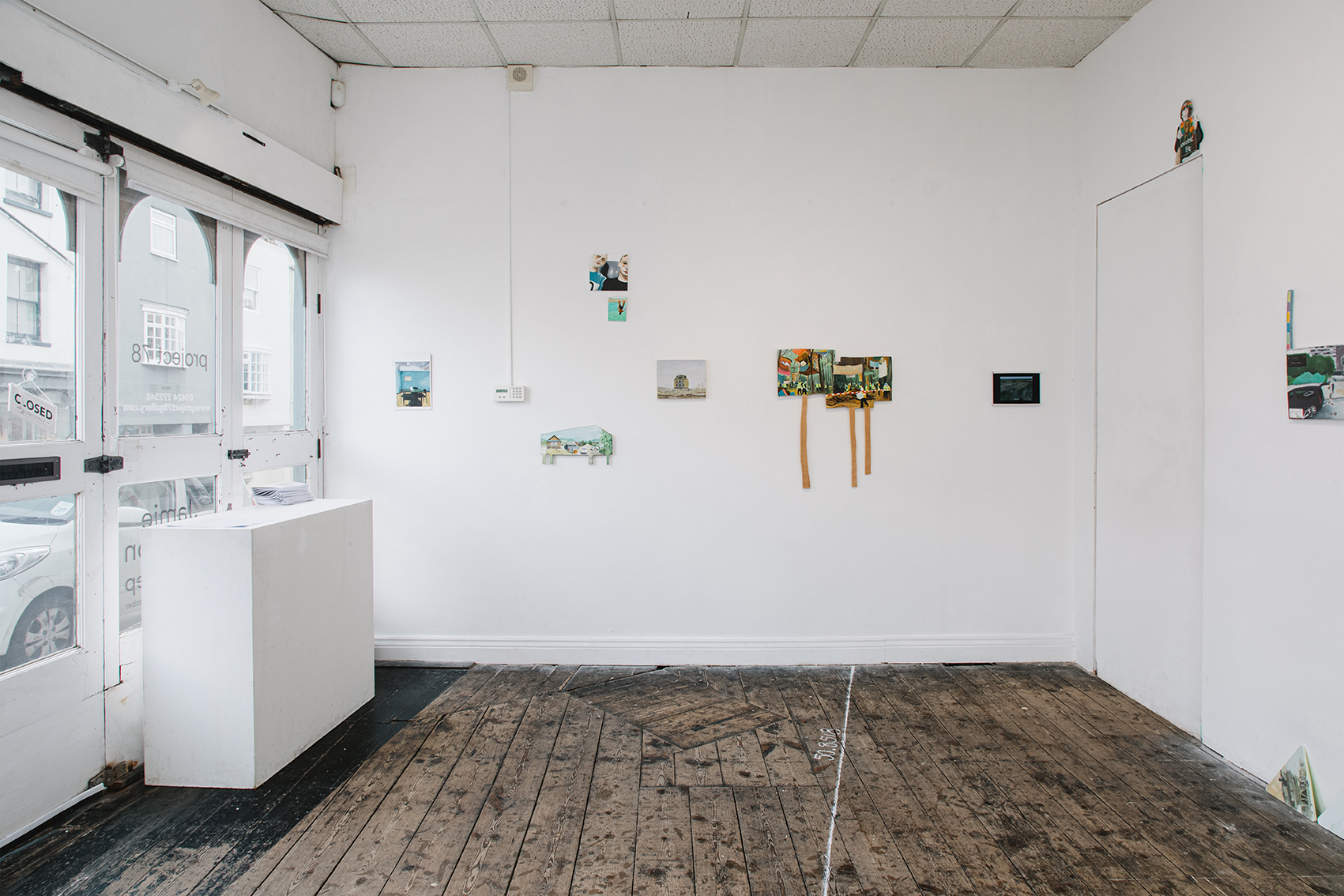
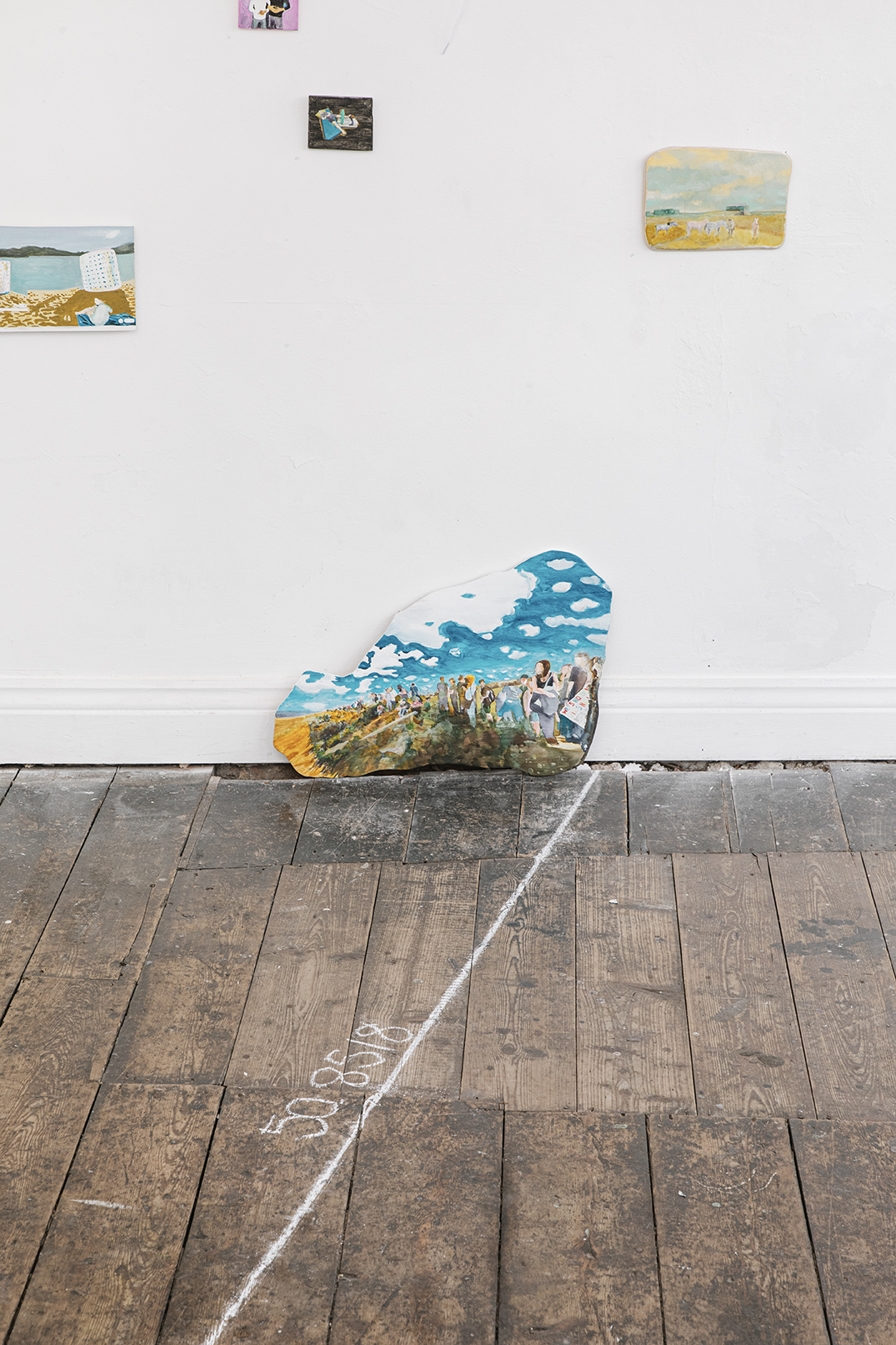
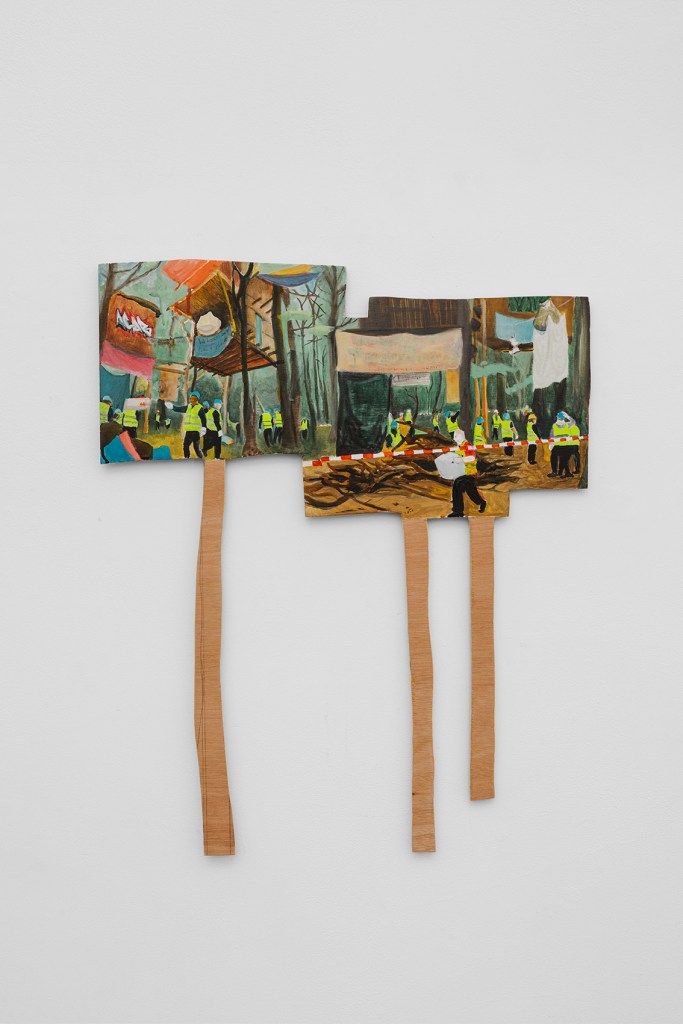
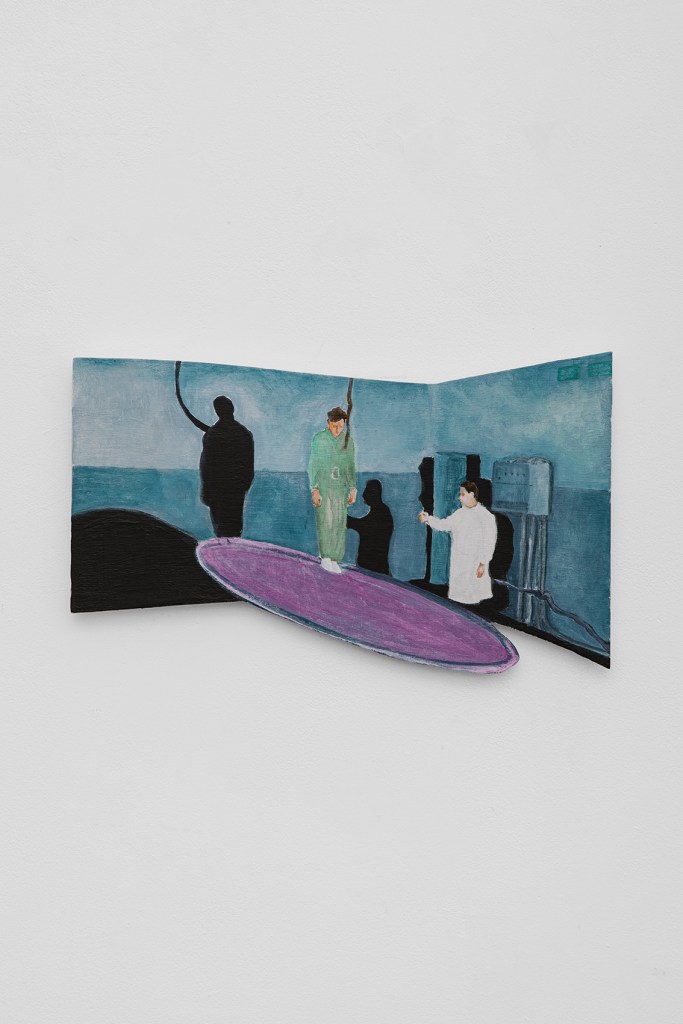
Beginning by plotting a line of latitude through the gallery and following it eastward online, artist Jamie Atherton has created a route for a hypothetical circumnavigation. Atherton’s practice draws on amassing and organising large collections of images, and for Slow Creep he has gathered this material by taking a virtual journey along the latitude (50.8518). This impossible tour crosses 19 countries and two oceans—traversing cities, agricultural land, wilderness, mountains and lakes while locating multiple sites of cultural production, extractivism, protest, conflict, colonial incursion, extraterrestrial exploration, leisure and recreation.
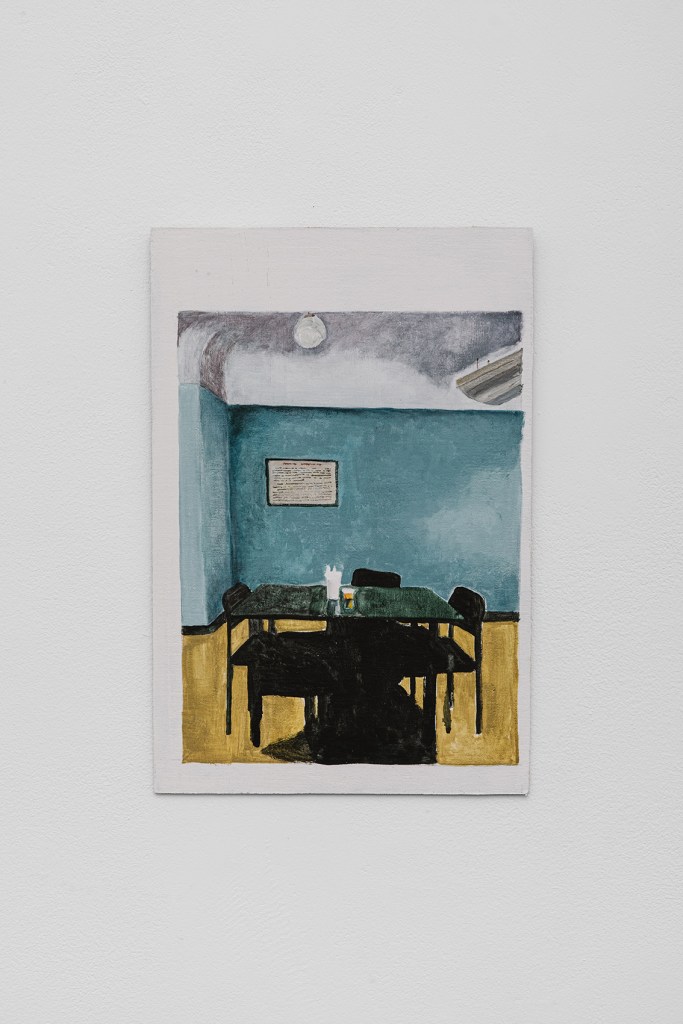
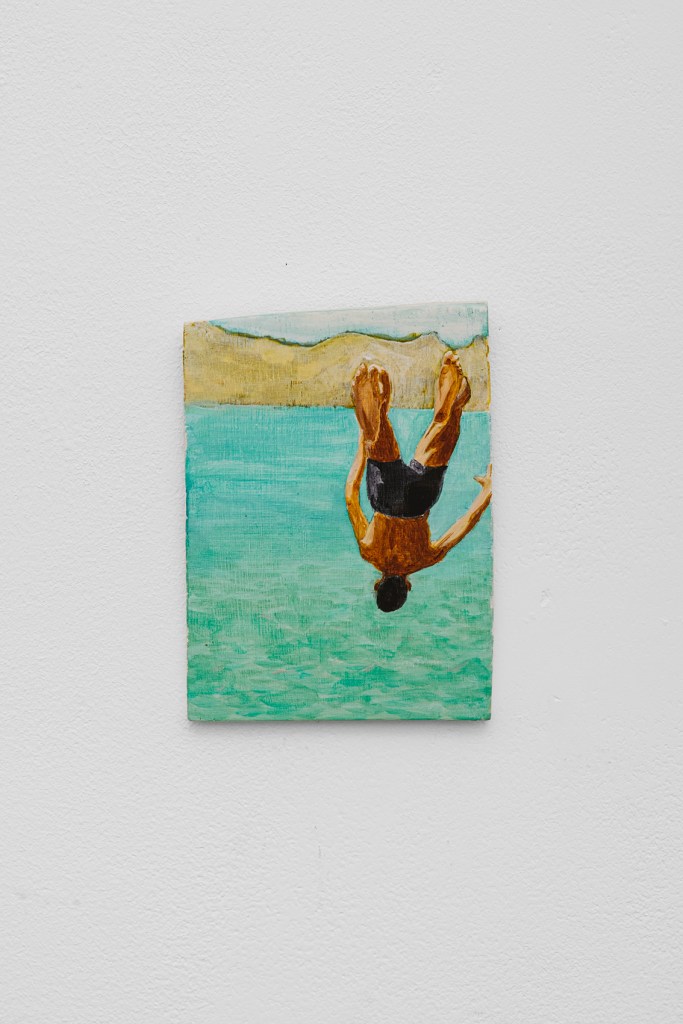
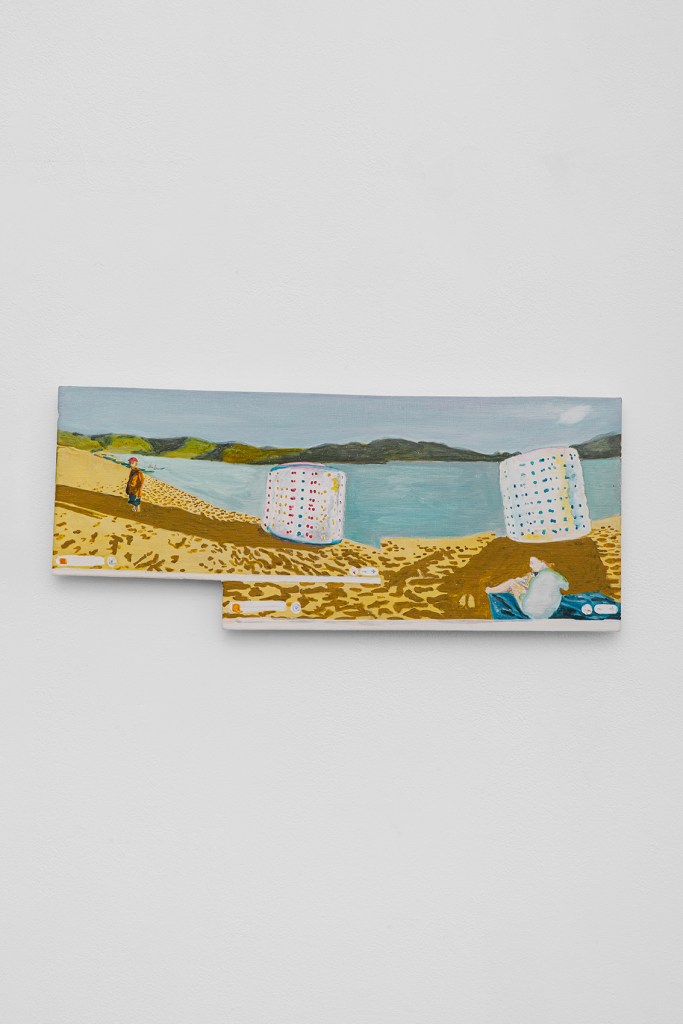
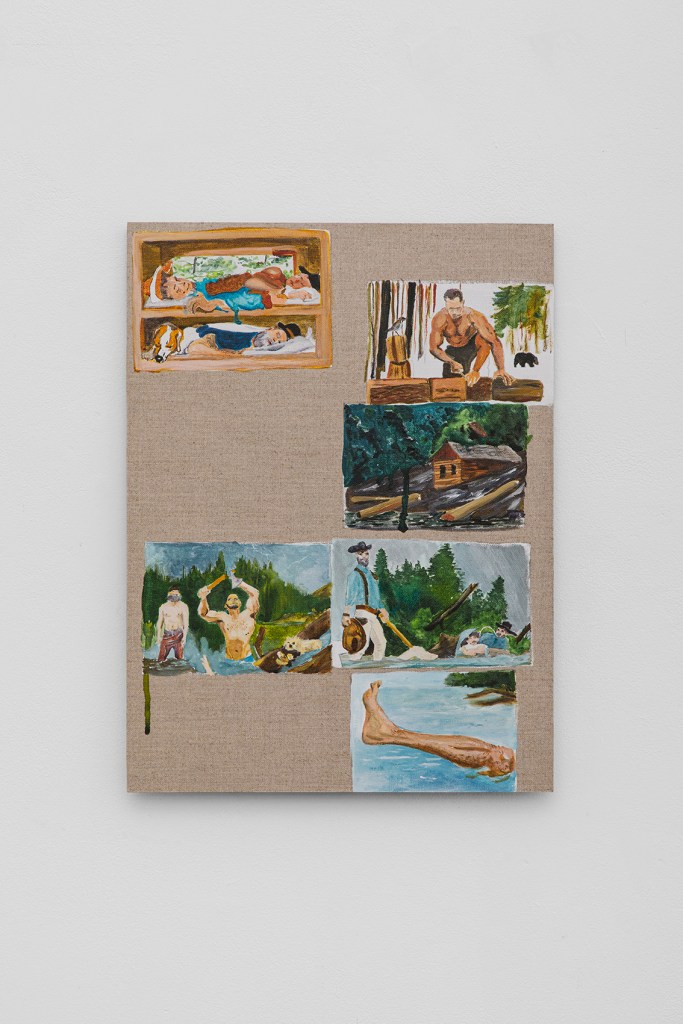
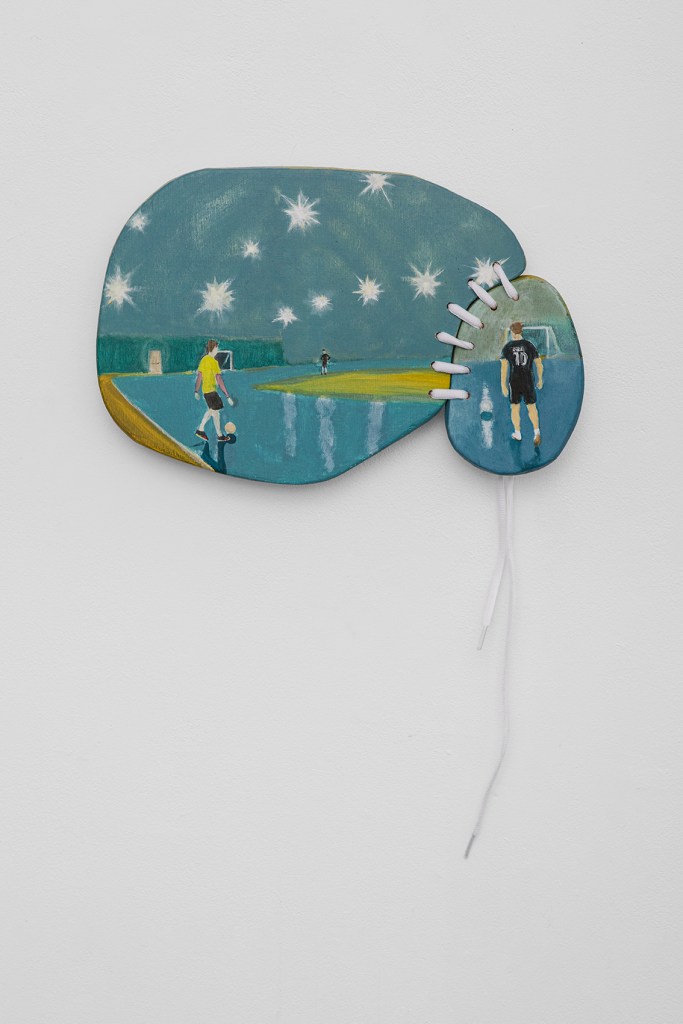
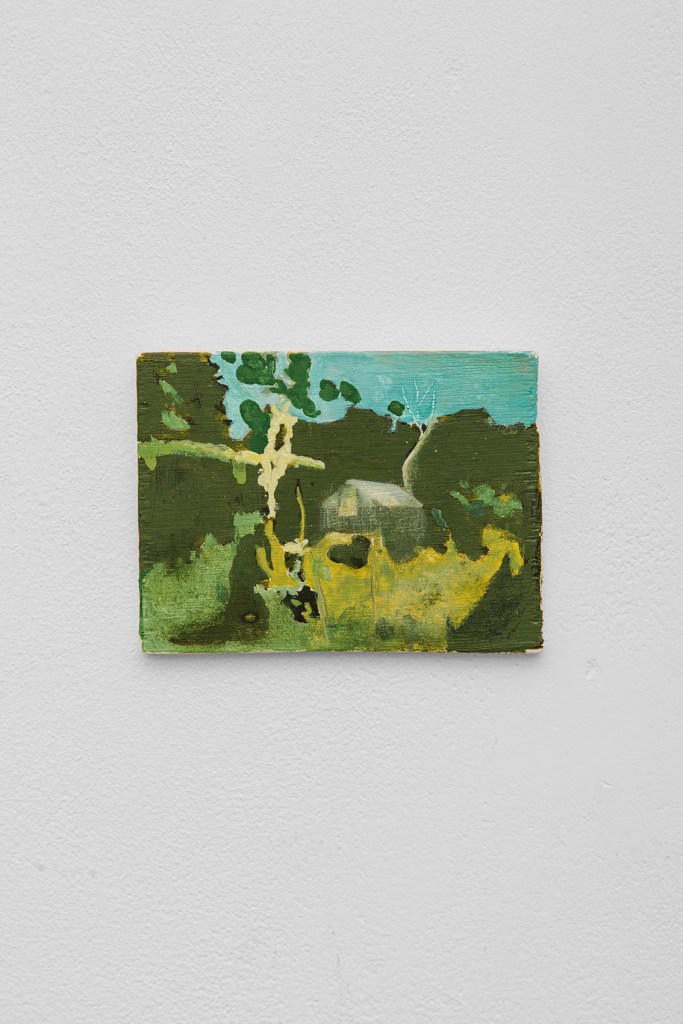
The approximately 30 small-scale paintings included in Slow Creep were made by sorting through this source material and associated research while considering the implications of ‘visiting’ like a ‘tourist:’ fleetingly and as an outsider, unable to gain little more than a voyeur’s understanding of the topography, culture and history of each stopping-off place on the line of latitude. Acknowledging the snapshot or souvenir-like nature of this modality opens up alternative considerations of what constitutes worthwhile subject matter. Geographer Yi-Fu Tuan has proposed one way of defining place as “whatever stable object catches our attention.” Rather than focus on landmarks, sublime vistas or major events, and resisting grand narratives, the project gives an opportunity to scrutinise details that might be considered banal yet somehow resonate and intrigue. Unlike the dictates of algorithms, the parameters of the project allow in subjective discovery and serendipity—a matter of chance, but yielding the momentous, erotic, political and even uncannily familiar images.
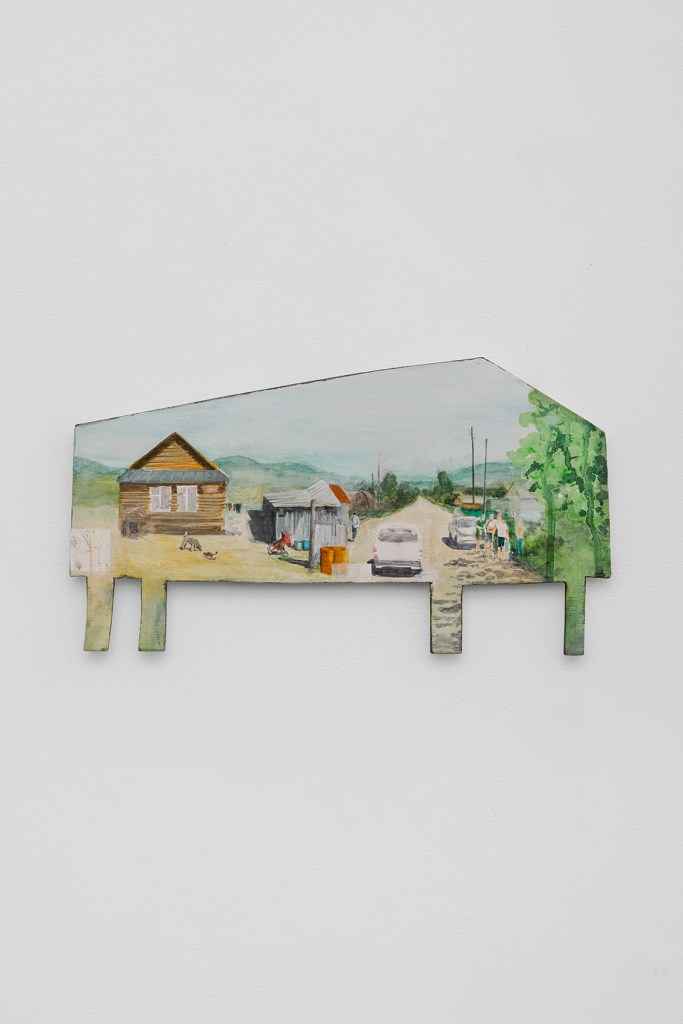
Atherton’s discoveries along the line of latitude include captured moments (a snapshot of patrons at a rural Canadian hotel; a game of football in remote Russia), lesser-known histories (the re-appropriation of the Black Madonna of Częstochowaas as a Polish queer rights protest symbol) and secluded locales (a gay cruise sauna; the crash-landing site of an early Soviet space mission). Digital platforms offer glimpses into other people’s lives: screenshots from Google Street View often have an inherent humour in their unexpected details, and geolocated social media posts reveal the intimacy of homosocial relationships, skateboarders and swimmers, and the universally occurring selfie—the artist’s gaze imbuing the exhibition with a homoerotic charge.
Recognising the randomness of selecting a line of latitude as a conceptual scaffold leads the artist and viewers to contemplate the arbitrary nature of lines on the map, especially human-made borders. Oblique allusions to certain violent results of these constructs—such as conflict and colonial subjugation of indigenous peoples—include the cafeteria in a yet-to-be-shelled Ukrainian chemical factory and horses on the Siksika Nation reserve near the site of one of Canada’s notorious residential schools.
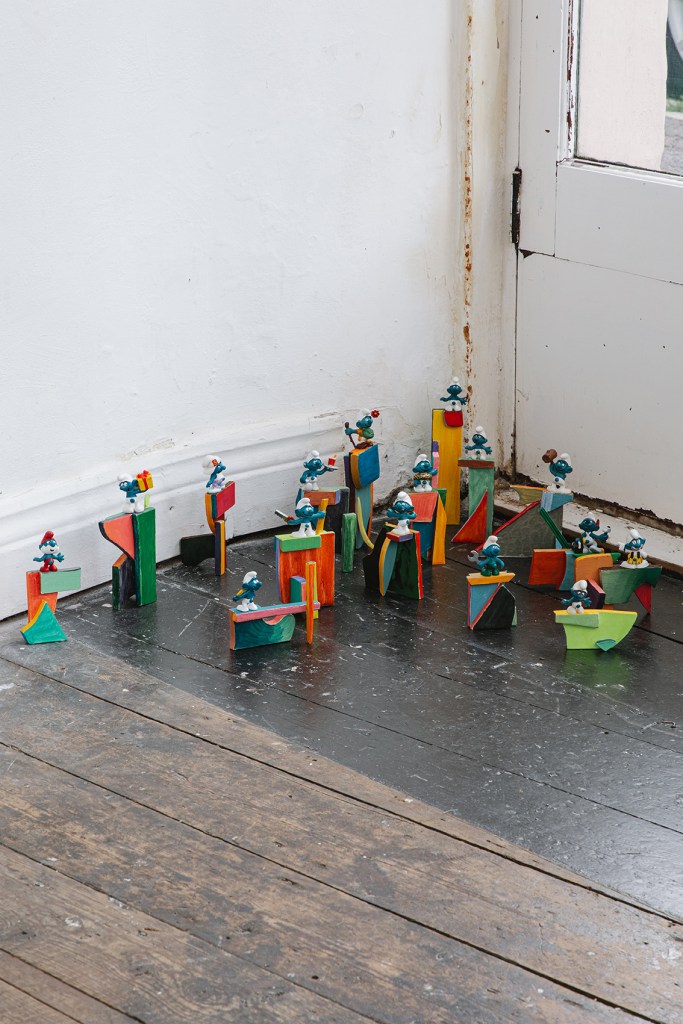
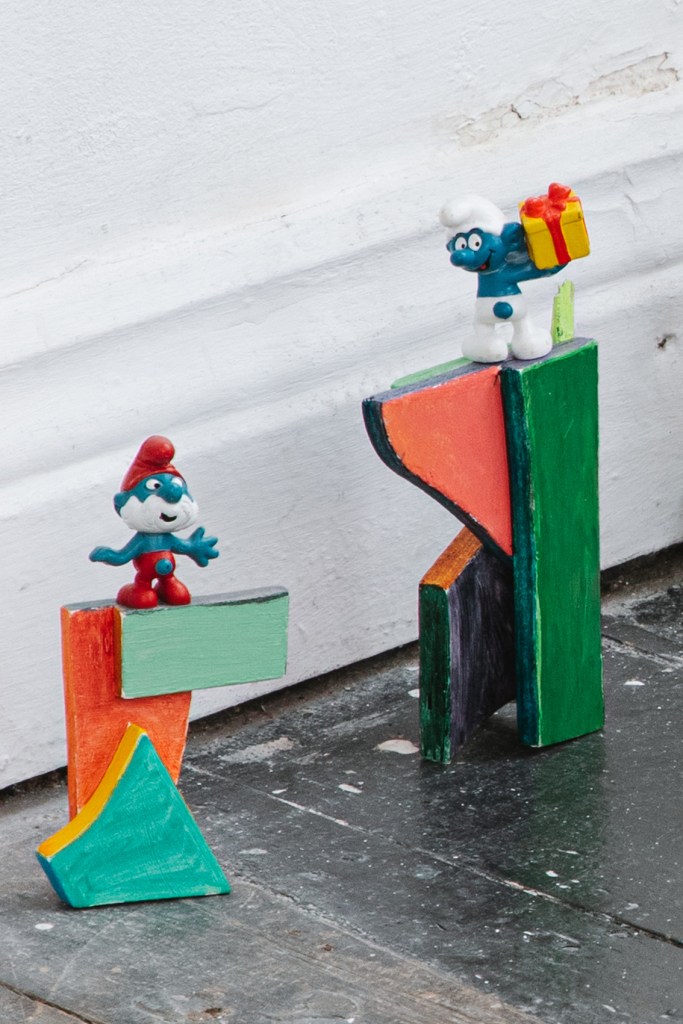
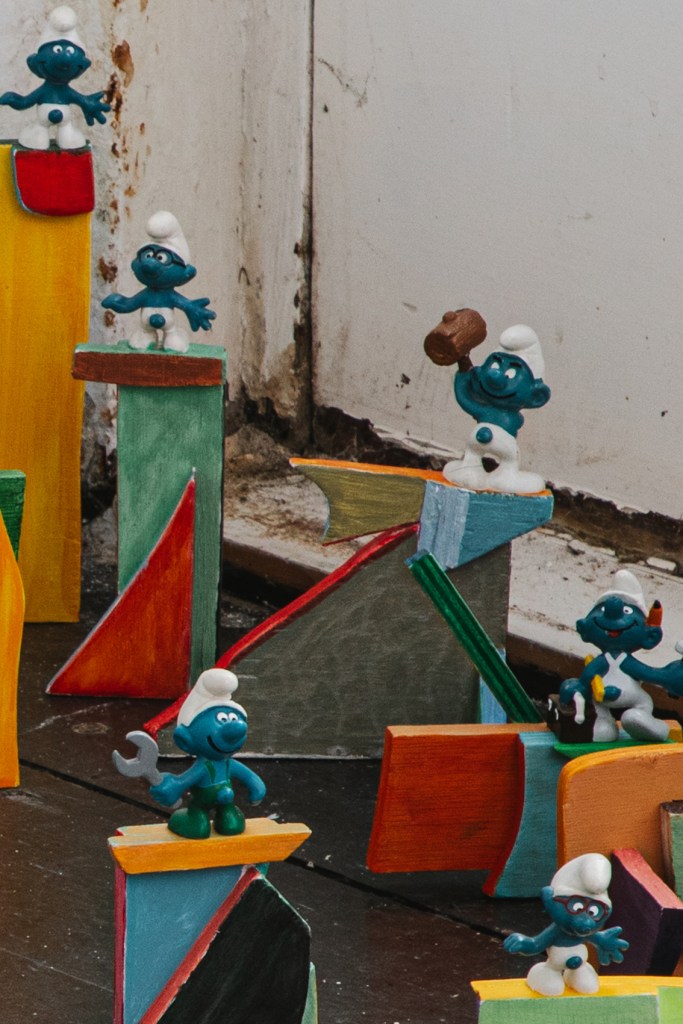
Many of the paintings in the show are made on irregularly shaped boards as a response to the variety of topographical forms, as well as the way digital representations of the globe are constructed through composite. Accompanying these is a series of small sculptural objects, each unique, offered as an affordable edition—in themselves a sort of souvenir of the show. These comprise altered Smurf figurines (referencing the Comics Art Museum in Brussels on the line of latitude) on multicoloured wooden plinths, as if maquettes for monuments—a playful critique of nationhood and nationalism. Also on view is a video showing a flyover along the line of latitude.
For sales, please contact Project 78 Gallery
• info@project78gallery.com
• +44 (0)1424 272 348
All photographs by Jorge Stride.
 Jamie Atherton